


Many people think about safety equipment like helmets, gloves, and steel-toe boots when it comes to workplace protection. One area that is often overlooked is eye safety. Workplace Eye Health and Safety Month, observed each March, is a reminder for both employers and employees to prioritize eye protection and vision health on the job.
Healthy vision is essential for nearly every type of work, whether someone is operating machinery, driving, reading documents, or working on digital screens. Yet workplace eye injuries remain more common than many people realize. Thousands of workers experience eye injuries each year, and many cases lead to missed workdays or long-term vision problems.
Common Causes of Workplace Eye Injuries
Eye injuries can happen in many types of work environments, not only construction or industrial settings. Hazards may include flying particles, chemical splashes, harmful light exposure, or debris produced during tasks like cutting, grinding, or drilling.
Office environments can also create challenges for eye health. Long hours spent looking at computers and digital devices can lead to digital eye strain. Symptoms may include headaches, blurred vision, dry eyes, and difficulty focusing. With so many people working on screens throughout the day, protecting eye health has become an important part of workplace wellness.
The encouraging news is that most workplace eye injuries can be prevented. In many cases, proper protective eyewear and simple safety practices can dramatically reduce the risk.
Steps to Protect Your Eyes at Work
Taking a proactive approach to eye safety helps reduce injury risk and supports long-term vision health.
Use appropriate eye protection
Safety glasses, goggles, or face shields should be worn whenever there is a risk of debris, chemicals, or other hazards.
Follow workplace safety guidelines
Employers should regularly assess potential hazards and ensure workers understand proper safety procedures.
Limit digital eye strain
If you spend long hours on a computer, try the 20-20-20 rule. Every 20 minutes, look at something about 20 feet away for at least 20 seconds.
Schedule routine eye exams
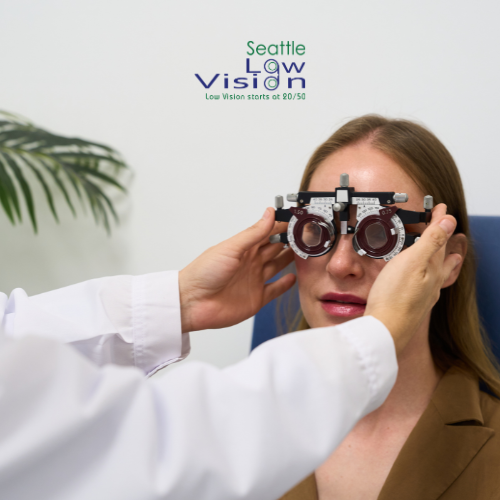
Regular eye examinations help detect vision changes early and ensure your eyes are functioning well for the demands of your job.
Why Eye Health Matters for Workplace Performance
Clear vision plays an important role in both safety and productivity. When vision problems go unaddressed, workers may experience eye fatigue, difficulty focusing, and reduced accuracy.
Protecting eye health benefits both employees and employers. A safer workplace helps prevent injuries, reduces downtime, and supports overall job performance.
Take a Moment to Protect Your Vision
Workplace Eye Health and Safety Month is a good time to evaluate how well your eyes are protected on the job.
Ask yourself a few simple questions:
- Are you using the right protective eyewear for your work environment?
- Do you experience headaches, eye strain, or blurred vision while working?
- When was the last time you had a comprehensive eye exam?
If it has been a while since your last eye exam, or if vision challenges are affecting your work or daily life, consider scheduling a consultation.
At Seattle Low Vision, my goal is to help patients protect and maximize their vision so they can continue doing the work and activities that matter most.
Your eyes are one of your most valuable tools. Taking steps to protect them today can help preserve your vision for years to come.