


What You Need to Know
Driving is an important part of independence, and vision plays a critical role in staying safe on the road. In Washington State, the Department of Licensing has specific vision requirements that all drivers must meet in order to obtain or keep a driver’s license. Understanding these rules can help you know what to expect and when a low vision evaluation may be helpful.
Minimum Vision Standards for Driving in Washington
To qualify for an unrestricted driver’s license in Washington State, you must meet minimum visual acuity and visual field requirements when tested with both eyes together. Vision is typically measured using standard eye charts and field testing.
If your vision does not meet the standard for an unrestricted license, you may still be eligible for a restricted license, depending on your remaining usable vision and your ability to drive safely with the kinds of visual aids that we prescribe.
Restricted Licenses and Vision Conditions
Some drivers are issued licenses with restrictions to improve safety. These restrictions may include:
- Daylight driving only
- Driving within a limited geographic area
- Requirement to wear prescribed visual devices
- Prohibition from freeway driving
Restrictions are determined on an individual basis and are designed to support safe driving while preserving independence whenever possible.
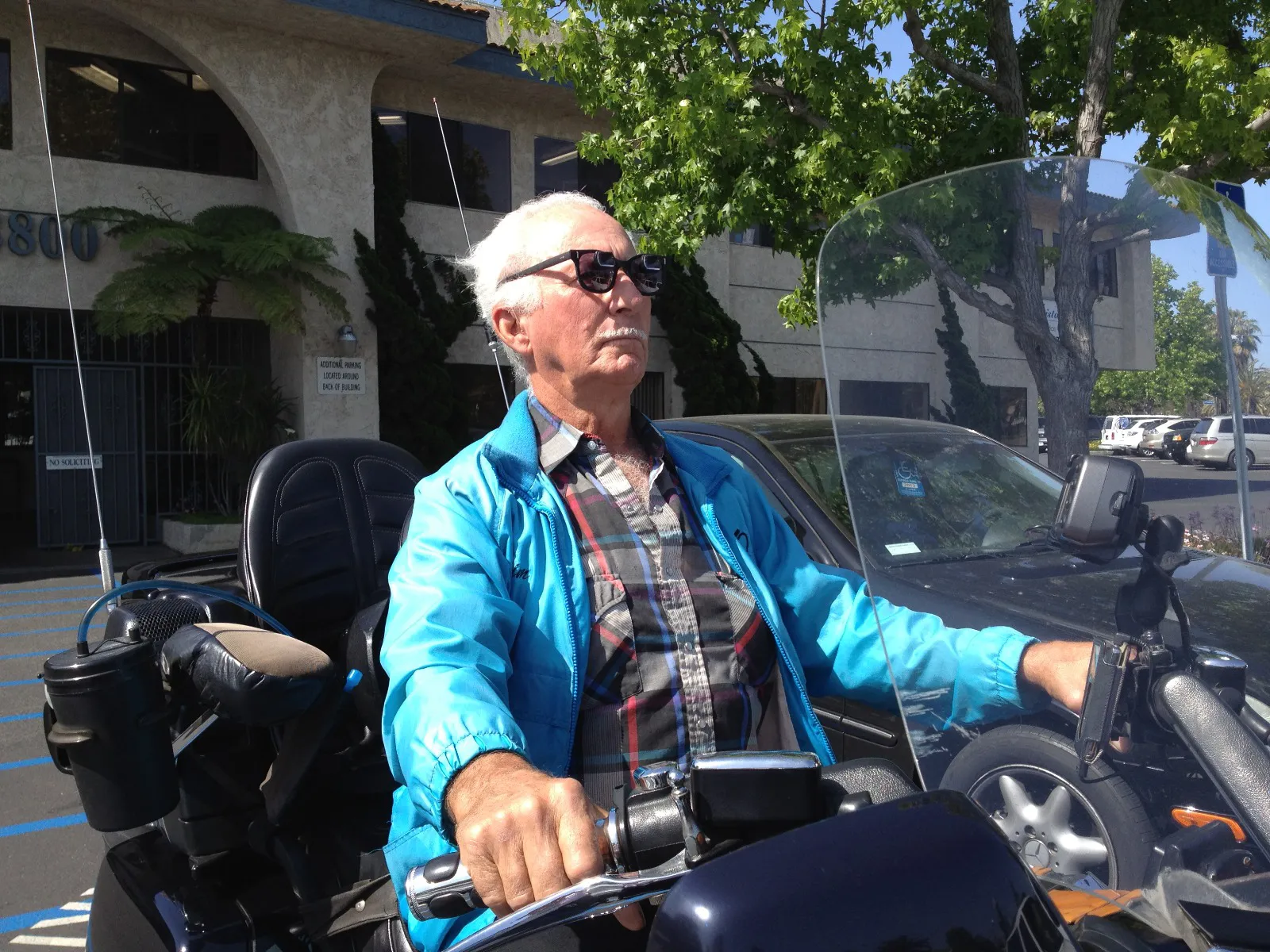
Bioptic Telescopes and Driving
Washington State allows the use of bioptic telescopes for driving when specific criteria are met. A bioptic telescope is a specialized visual device mounted on glasses that helps drivers briefly spot distant details such as road signs or traffic signals.
Drivers using bioptics must:
- Meet the state’s vision standards with and without the telescope
- Complete required training and testing
- Demonstrate safe driving ability
Dr. Cusic plays a key role in evaluating whether a person is a candidate for bioptic driving and in prescribing the appropriate device.
Medical Review and Vision Re-Testing
In some cases, drivers may be referred for a medical or vision review, especially if:
- Vision changes over time
- A medical provider raises a concern
- A traffic incident prompts a review
This process may involve additional testing, medical documentation, or a road test to determine driving eligibility.
How a Low Vision Doctor like Dr. Cusic Can Help
A low vision optometrist can:
- Evaluate your functional vision for driving
- Determine if you qualify for restricted or bioptic driving
- Prescribe specialized driving glasses when appropriate
- Complete required vision forms accurately and fairly
- Help you understand your options if your vision changes
Even if you are told that standard glasses cannot improve your vision, low vision care may still offer solutions that support safe, legal driving.
Important Reminder
Vision standards are set by the state to protect both drivers and the public. Meeting these requirements does not guarantee driving safety, and failing to meet them does not automatically mean driving is no longer possible. Each case is unique and is evaluated individually.
For More Reading
Washington State Driving Rules
Citation
https://gowmst.com/wp-content/uploads/2022/07/Washington-Driver-Guide-2020.pdf