12911 120th Ave NE G105, Kirkland, WA 98034


Various eye conditions such as macular degeneration, albinism, glaucoma, diabetic retinopathy, and hemianopsia can cause low vision and affect your ability to perform everyday tasks like driving, reading, cooking, or recognizing faces, colors, and objects.
At Seattle Low Vision, we are dedicated to helping people with severe visual impairment do the things they love again and live a life of ease. As a low vision optometrist with decades of experience, Dr. Cusic has a deep understanding of the many conditions that lead to vision loss and the latest advancements in optical technology to help patients make the most of their remaining sight.
Low vision care often requires a combination of specialized aids and telescopic glasses customized for different activities. With a personalized approach, Dr. Cusic carefully evaluates each patient’s lifestyle, visual needs, and daily goals to recommend the most effective low vision devices, helping patients see better and live more confidently.
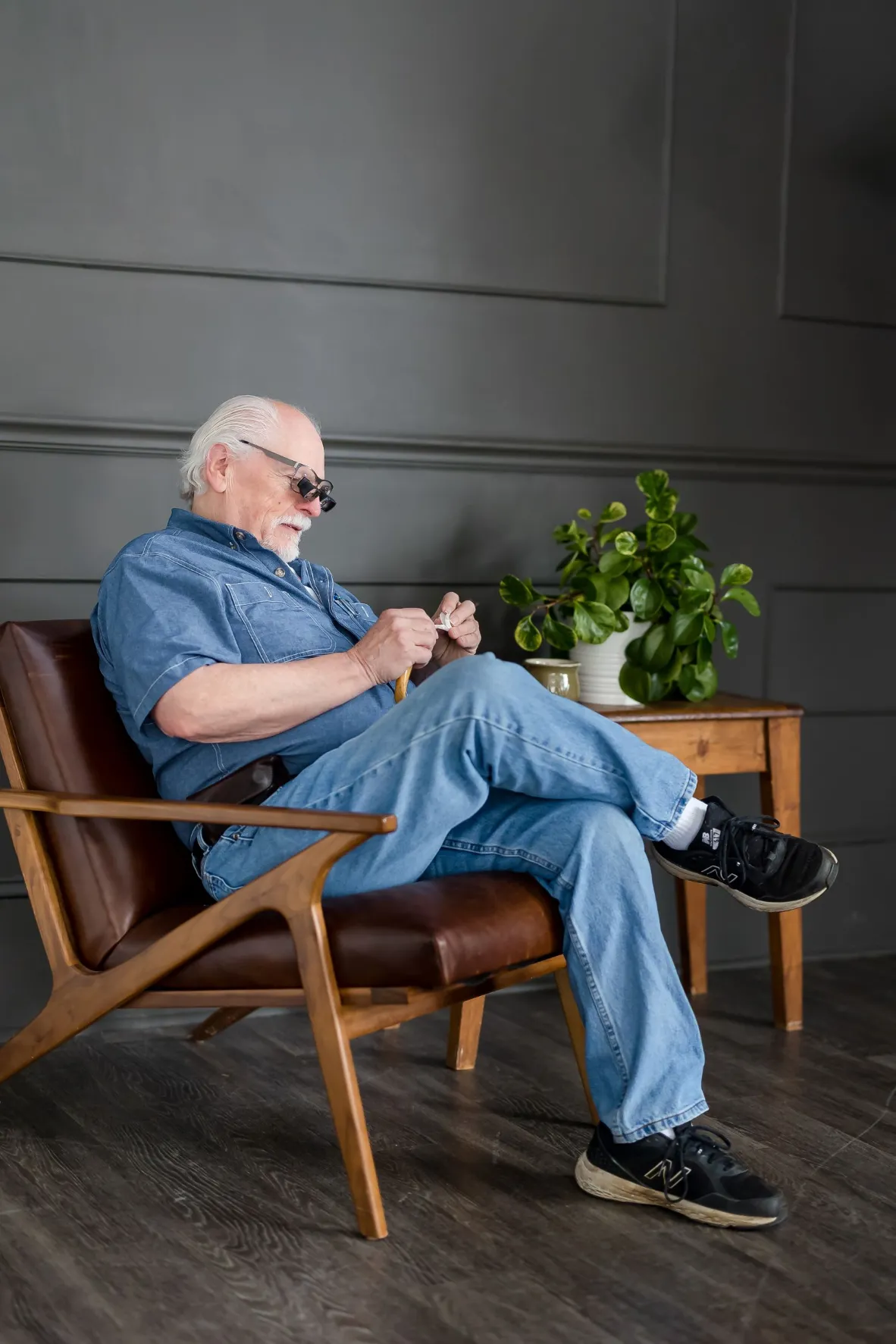
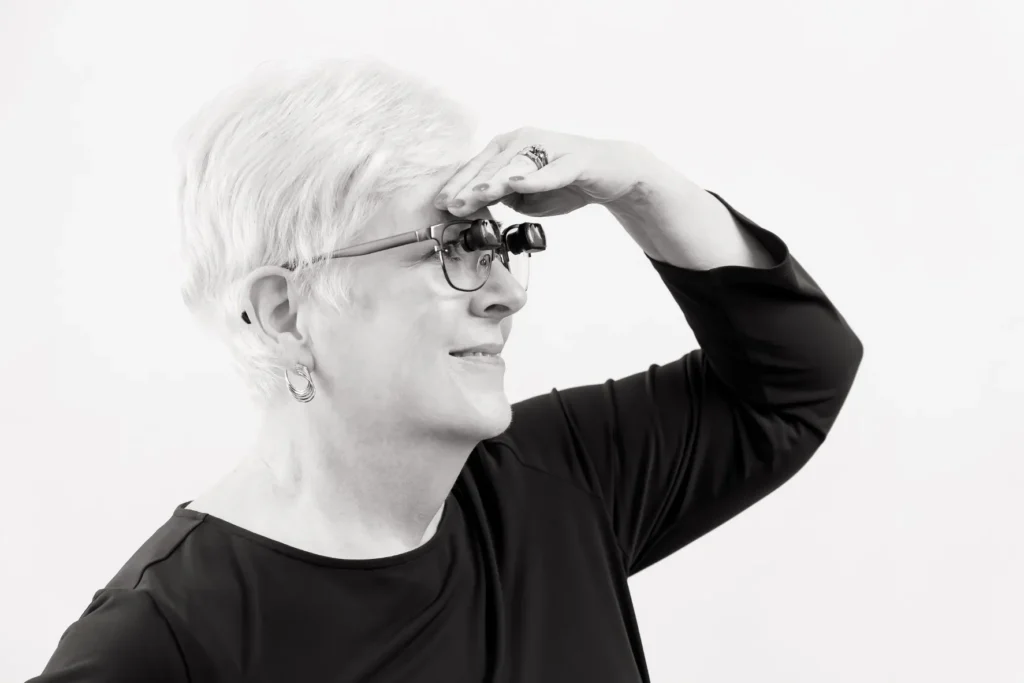
Low vision glasses work by dramatically magnifying the vision you still have and helping you make the most of your remaining sight. By amplifying and directing your existing vision, the glasses we prescribe allow you to regain visual functions that may have been lost due to conditions such as macular degeneration, glaucoma, or diabetic retinopathy.
For example, magnifying lenses can make reading small print or food labels easier, while advanced electronic devices can convert printed text into audio for those with significant vision loss.
We offer a wide range of low vision glasses and tools, from simple handheld magnifiers to state-of-the-art telescopic glasses and digital vision aids.
After your comprehensive consultation, Dr. Cusic, Washington’s low vision optometrist, will personalize your treatment plan to match your visual condition, lifestyle, and daily needs- helping you see better and live more independently.
We provide a wide selection of low vision glasses and tools designed to help patients maximize their remaining sight and make a difference in their daily lives. These devices fall into three main categories: optical, non-optical, and electronic, each tailored to support different visual needs and daily tasks.