


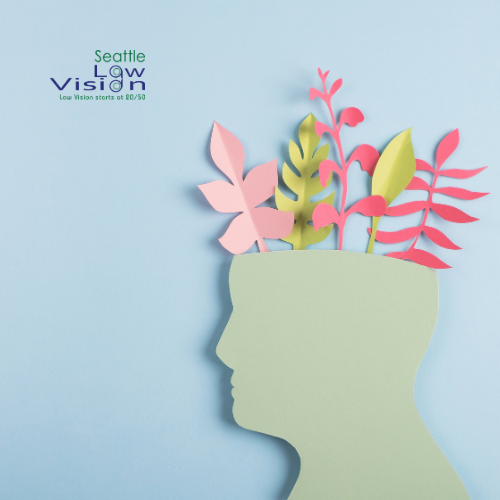
Mental Health Awareness Month is an important reminder that overall health includes both physical and emotional well-being. In clinical low vision care, including services like low vision rehabilitation in Seattle and surrounding areas, we often see how deeply vision loss affects a person’s confidence, independence, and emotional health.
At Seattle Low Vision, under the care of Dr. Ross Cusic, we recognize that low vision is not only a medical condition — it is a life experience that can influence how someone connects with the world, maintains routines, and interacts socially.
That’s why comprehensive vision care, routine monitoring, and regular eye exams with providers such as Optical Images are essential for maintaining long-term eye health and detecting vision changes early.
The Emotional Impact of Low Vision and Vision Loss
Vision plays a critical role in daily life and independence. It allows individuals to recognize faces, interpret body language, read environmental cues, and move confidently through familiar and unfamiliar spaces.
When vision declines, many people begin to experience challenges that go beyond eyesight alone. Everyday activities may start to feel more tiring, frustrating, or overwhelming, leading to gradual emotional and behavioral changes.
Common emotional impacts of low vision include:
- Social withdrawal and isolation
- Reduced participation in hobbies and community activities
- Increased reliance on family or caregivers
- Feelings of frustration or loss of independence
- Anxiety in unfamiliar environments
- Reduced confidence in daily mobility
These experiences are a normal response to vision changes and are frequently seen in individuals seeking low vision rehabilitation and vision care support in Seattle.
Why Isolation Happens With Low Vision
Isolation is rarely intentional. It often develops slowly as vision-related challenges accumulate over time.
Some common contributing factors include:
- Avoiding driving or public transportation due to safety concerns
- Difficulty recognizing faces in social settings
- Trouble reading menus, signs, or digital screens
- Fear of falling or navigating unfamiliar environments
- Feeling uncomfortable or “like a burden” when asking for help
While each of these challenges may seem small on its own, together they can significantly reduce a person’s independence and social engagement.
The Connection Between Mental Health and Eye Health
Mental health and vision health are closely interconnected. Emotional stress, anxiety, and depression can make it harder to stay engaged in daily life, while increased isolation can further impact emotional well-being.
This cycle is an important part of comprehensive low vision care and rehabilitation services. Supporting patients goes beyond improving visual function — it also includes restoring confidence, dignity, and emotional resilience.
At Seattle Low Vision, under the clinical leadership of Dr. Ross Cusic, we take a holistic approach to care that considers both vision function and quality of life.
Supporting Emotional Well-Being With Low Vision
1. Stay socially engaged in meaningful ways
Even small interactions — phone calls, short visits, or community activities — can help reduce isolation and improve emotional well-being.
2. Explore low vision rehabilitation tools
Low vision aids, adaptive strategies, and environmental modifications can significantly improve independence and reduce daily stress.
3. Maintain regular eye exams and vision monitoring
Routine eye exams are essential for tracking vision changes and maintaining long-term eye health. Regular care at providers such as Optical Images helps ensure that patients stay up to date on their vision needs and receive timely updates to their care plan.
4. Build structured daily routines
Predictable routines help reduce anxiety and make everyday activities more manageable for individuals with vision impairment.
5. Talk openly about emotional changes
Emotional health is just as important as visual function. Discussing feelings of frustration, sadness, or isolation can help patients receive better support and care.
6. Seek support early
Whether through family, community programs, or low vision specialists in Seattle, early intervention can improve both emotional well-being and independence.
You Don’t Have to Navigate Vision Loss Alone
One of the most important messages during Mental Health Awareness Month is that feelings of isolation related to vision loss are common — and treatable with the right support.
With access to low vision rehabilitation services, vision care professionals, and ongoing eye health monitoring, many individuals are able to regain confidence, reconnect socially, and continue participating in meaningful activities.
At Seattle Low Vision, under the care of Dr. Ross Cusic, our focus is on helping patients preserve independence, improve daily function, and enhance overall quality of life.
If you or a loved one are experiencing vision changes or emotional challenges related to low vision, we encourage you to schedule a consultation.
For more information, contact Seattle Low Vision at 425-823-2020 or visit Seattle Low Vision.