


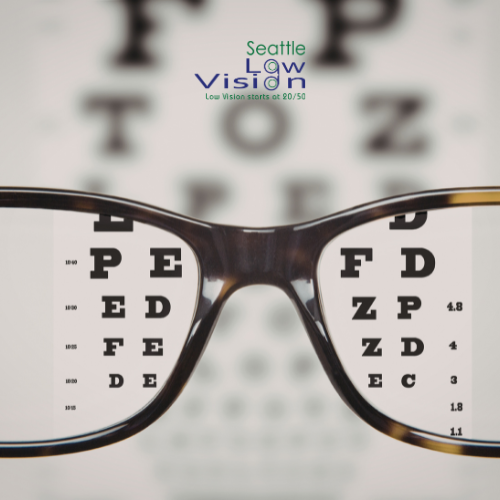
May is Healthy Vision Month, and every year it serves as an important reminder that protecting your eyesight starts with small, consistent habits. At Seattle Low Vision, Dr. Ross Cusic and our care team work with patients experiencing vision changes every day, and one of the most common things we hear is this:
“I didn’t realize how much my vision had changed until everyday tasks became more difficult.”
Reading may become more tiring. Faces may appear less clear. Navigating familiar spaces may suddenly feel more challenging. These subtle shifts are often signs that your eye health needs attention.
Healthy Vision Month is an opportunity to focus on preventive eye care, low vision awareness, and the importance of regular eye exams to help protect long-term vision health.
Vision Health Is Built Over Time
Many eye conditions and forms of vision loss develop gradually. Because the changes can happen slowly, people often adapt without realizing how much their eyesight has changed over time.
That is why routine eye care and early detection are so important. Protecting your vision is not about waiting for a problem to appear. It is about staying proactive with healthy habits, comprehensive eye exams, and ongoing support for your visual health and independence.
5 Habits That Help Support Long-Term Eye Health
1. Stay Consistent With Regular Eye Exams
Even if your vision seems stable, routine eye exams can help detect early signs of eye disease, macular degeneration, glaucoma, diabetic eye disease, and other vision concerns before symptoms become more noticeable.
For comprehensive eye exams and ongoing vision care, patients are encouraged to stay current with appointments through Optical Images.
2. Protect Your Eyes From UV Exposure
Wearing high-quality sunglasses with UV protection can help reduce long-term damage caused by sunlight exposure. Protecting your eyes outdoors is an important part of maintaining healthy vision at every age.
3. Support Your Overall Health
Conditions such as diabetes, hypertension, and cardiovascular disease can directly impact your eyesight. Maintaining your overall health through nutrition, exercise, and medical care also supports long-term eye health and vision preservation.
4. Create a More Vision-Friendly Environment
Good lighting, reduced glare, and increased contrast throughout the home can make reading, cooking, and daily activities easier and more comfortable for individuals experiencing vision changes or low vision symptoms.
5. Pay Attention to Vision Changes Early
If you notice blurry vision, difficulty reading, increased glare sensitivity, or trouble recognizing faces, it is important to schedule an eye exam as soon as possible. Early intervention can often help preserve functional vision and improve quality of life.
Patients looking for regular eye exams and preventive vision care are encouraged to connect with Optical Images for ongoing eye health support.
Living Well With Vision Changes
Not all vision conditions can be reversed, but there are many ways to improve daily function and maintain independence. At Seattle Low Vision, Dr. Ross Cusic and the team focus on helping patients maximize the vision they still have through personalized low vision care, strategies, tools, and rehabilitation support.
This may include magnification devices, improved lighting solutions, adaptive techniques, or customized low vision aids that help make everyday tasks more manageable and less frustrating.
The goal is always to help patients maintain confidence, independence, and quality of life despite vision loss.
Healthy Vision Month is not only about preventing eye disease. It is about recognizing how closely vision is connected to safety, independence, mobility, and everyday living. The earlier vision concerns are identified, the more opportunities there are to protect and support long-term eye health.
If you are experiencing changes in your vision or would like a better understanding of your eye health, we encourage you to schedule a consultation.
Contact Seattle Low Vision at 425-823-2020 to learn more about low vision care and rehabilitation services.
For routine eye exams and ongoing preventive eye care, visit Optical Images.